Sale!
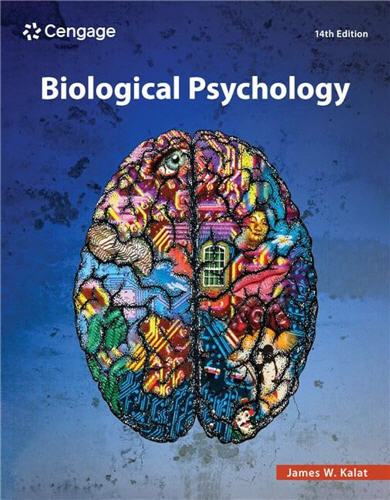
Biological Psychology 14th Edition by James Kalat, ISBN-13: 978-0357798126
$50.00 Original price was: $50.00.$19.99Current price is: $19.99.
Description
NOTE: This book is a standalone book and will NOT include any access codes.
[PDF eBook eTextbook] – Available Instantly
- Publisher : Cengage Learning
- Publication date : February 22, 2023
- Edition : 14th
- Language : English
- 624 pages
- ISBN-10 : 0357798120
- ISBN-13 : 978-0357798126
Explore the latest developments in biological psychology today with the most widely used text for this area of study: Dr. James Kalat’s BIOLOGICAL PSYCHOLOGY, 14E. This edition uses a clear writing style, precise examples and the latest research to make biological psychology understandable and to emphasize its importance to psychology as well as biology and pre-med study. Thought-provoking content, insights from contemporary researchers, amusing anecdotes and even try-it-yourself activities help convey the excitement behind biological explanations of behavior. This edition introduces breakthrough findings with more than 500 new research references as recent as 2022. You explore new insights into brain functions, autism, antidepressants and mental enhancement and weight-loss drugs as well as the latest on auditory changes, pain mechanisms and the olfactory effects of COVID-19. Cengage Infuse digital resources are also available with interactive learning tools.
Table of Contents:
Cover Page
Title Page
Copyright Page
About the Author
Dedication
Preface
Acknowledgments
Chapter 1. The Cellular Foundations of Behavior
Module 1.1. The Biological Approach to Behavior
The Field of Biological Psychology
Biological Explanations of Behavior
Career Opportunities
Neuroethics
Module 1.1. In Closing
Module 1.2. Neurons and Other Cells
Neurons
Glia
The Blood–Brain Barrier
Nourishment of Vertebrate Neurons
Other Cells: The Gut Bacteria
Module 1.2. In Closing
Module 1.3. The Action Potential
The Resting Potential of the Neuron
The Action Potential
Propagation of the Action Potential
The Myelin Sheath and Saltatory Conduction
Local Neurons
Module 1.3. In Closing
Chapter 2. Synapses
Module 2.1. The Concept of the Synapse
Properties of Synapses
Relationship Among EPSP, IPSP, and Action Potentials
Module 2.1. In Closing
Module 2.2. Chemical Events at the Synapse
The Discovery of Chemical Transmission at Synapses
The Chemical Events at a Synapse
Hormones
Module 2.2. In Closing
Chapter 3. Anatomy and Research Methods
Module 3.1. Structure of the Vertebrate Nervous System
Terminology to Describe the Nervous System
The Spinal Cord
The Autonomic Nervous System
The Hindbrain
The Midbrain
The Forebrain
The Ventricles
Module 3.1. In Closing
Module 3.2. The Cerebral Cortex
Organization of the Cerebral Cortex
The Occipital Lobe
The Parietal Lobe
The Temporal Lobe
The Frontal Lobe
How Do the Parts Work Together?
Module 3.2. In Closing
Module 3.3. Research Methods
Effects of Brain Damage
Effects of Brain Stimulation
Recording Brain Activity
Correlating Brain Anatomy with Behavior
Module 3.3. In Closing
Chapter 4. Genetics, Development, and Plasticity
Module 4.1. Genetics and Evolution of Behavior
Mendelian Genetics
Heritability
The Evolution of Behavior
Module 4.1. In Closing
Module 4.2. Development of the Brain
Maturation of the Vertebrate Brain
Pathfinding by Axons
Determinants of Neuronal Survival
The Vulnerable Developing Brain
Differentiation of the Cortex
Fine-Tuning by Experience
Brain Development and Behavioral Development
Module 4.2. In Closing
Module 4.3. Plasticity after Brain Damage
Brain Damage and Immediate Treatments
Later Mechanisms of Recovery
Module 4.3. In Closing
Chapter 5. Vision
Module 5.1. Visual Coding
Principles of Vision
The Eye and Its Connections to the Brain
Visual Receptors: Rods and Cones
Color Vision
Module 5.1. In Closing
Module 5.2. Visual Processing in the Brain
An Overview of the Mammalian Visual System
Processing in the Retina
Further Processing
The Primary Visual Cortex
Development of the Visual Cortex
Module 5.2. In Closing
Module 5.3. Specialized Visual Processes
The Ventral and Dorsal Streams
Shape Perception
Motion Perception
Module 5.3. In Closing
Chapter 6. Hearing, the Mechanical Senses, and the Chemical Senses
Module 6.1. Hearing
Sound and the Ear
Pitch Perception
The Auditory Cortex
Sound Localization
Individual Differences
Module 6.1. In Closing
Module 6.2. The Mechanical Senses
Vestibular Sensation
Somatosensation
Pain
Itch
Module 6.2. In Closing
Module 6.3. The Chemical Senses
Taste
Olfaction
Synesthesia
Module 6.3. In Closing
Chapter 7. Movement
Module 7.1. The Control of Movement
Muscles and Movements
Units of Movement
Module 7.1. In Closing
Module 7.2. Brain Mechanisms of Movement
The Cerebral Cortex
The Cerebellum
The Basal Ganglia
Conscious Decisions and Movement
Module 7.2. In Closing
Module 7.3. Movement Disorders
Parkinson’s Disease
Huntington’s Disease
Module 7.3. In Closing
Chapter 8. Wakefulness and Sleep
Module 8.1. Rhythms of Waking and Sleeping
Endogenous Rhythms
Setting and Resetting the Biological Clock
Mechanisms of the Biological Clock
Module 8.1. In Closing
Module 8.2. Stages of Sleep and Brain Mechanisms
Sleep and Other Interruptions of Consciousness
Stages of Sleep
Paradoxical or REM Sleep
Brain Mechanisms of Wakefulness, Arousal, and Sleep
Sleep Disorders
Module 8.2. In Closing
Module 8.3. Why Sleep? Why REM? Why Dreams?
Functions of Sleep
Functions of REM Sleep
Biological Perspectives on Dreaming
Module 8.3. In Closing
Chapter 9. Internal Regulation
Module 9.1. Temperature Regulation
Homeostasis and Allostasis
Controlling Body Temperature
Module 9.1. In Closing
Module 9.2. Thirst
Strategies of Water Regulation
Osmotic Thirst
Hypovolemic Thirst and Sodium-Specific Hunger
Module 9.2. In Closing
Module 9.3. Hunger
Digestion and Food Selection
Short- and Long-Term Regulation of Feeding
Brain Mechanisms
Eating Disorders
Module 9.3. In Closing
Chapter 10. Reproductive Behaviors
Module 10.1. Sex and Hormones
Evolutionary Interpretations of Male–Female Differences
Genes in Sexual Development
Organizing Effects of Sex Hormones
Activating Effects of Sex Hormones
Parental Behavior
Module 10.1. In Closing
Module 10.2. Variations in Sexual Behavior
Gender Identity and Gender-Differentiated Behaviors
Sexual Orientation
Transgender People
Module 10.2. In Closing
Chapter 11. Emotional Behaviors
Module 11.1. What Is Emotion?
Emotion and Autonomic Arousal
Basic Emotions or Continuous Dimensions
The Functions of Emotion
Module 11.1. In Closing
Module 11.2. Attack and Escape Behaviors
Attack Behaviors
Fear and Anxiety
Anxiety Disorders
Relief from Anxiety
Module 11.2. In Closing
Module 11.3. Emotional Reactions to Stress
Stress and the General Adaptation Syndrome
Stress and the Hypothalamus-Pituitary-Adrenal Cortex Axis
Coping with Stress
Module 11.3. In Closing
Chapter 12. Learning, Memory, and Intelligence
Module 12.1. Memory and Memory Loss
Localized Representations of Memory
Types of Memory
Memory Loss
Module 12.1. In Closing
Module 12.2. The Hippocampus and Other Brain Areas
Memory Loss after Damage to the Hippocampus
Navigation
The Striatum
Cortical Areas
Module 12.2. In Closing
Module 12.3. Cellular Mechanisms of Memory
Blind Alleys and Abandoned Mines
Learning and the Hebbian Synapse
Single-Cell Mechanisms of Invertebrate Behavior Change
Long-Term Potentiation in Vertebrates
Improving Memory
Module 12.3. In Closing
Module 12.4. Intelligence
Genetics and Intelligence
Brain Size and Intelligence
Brain Evolution
Module 12.4. In Closing
Chapter 13. Cognitive Functions
Module 13.1. Lateralization and Language
The Left and Right Hemispheres
Visual and Auditory Connections to the Hemispheres
The Corpus Callosum and the Split-Brain Operation
Language Precursors in Other Species
How Did Language Evolve?
Brain Damage and Language
Dyslexia
Module 13.1. In Closing
Module 13.2. Consciousness
The Mind–Brain Relationship
Consciousness of a Stimulus
Inferring Overall Consciousness or Unconsciousness
Attention
Module 13.2. In Closing
Module 13.3. Making Decisions and Social Neuroscience
Decisions
The Biology of Love
Social Interactions
Module 13.3. In Closing
Chapter 14. Psychopathology
Module 14.1. Substance Abuse
Drug Effects
Predispositions
Treatments
Module 14.1. In Closing
Module 14.2. Mood Disorders
Major Depressive Disorder
Antidepressant Drugs
Bipolar Disorder
Module 14.2. In Closing
Module 14.3. Schizophrenia
Diagnosis
Genetic Influences
Environmental Influences
Brain Abnormalities
Treatments
Module 14.3. In Closing
Module 14.4. Autism Spectrum Disorders
Symptoms and Characteristics
Genetics and Other Causes
Brain and Sensation
Treatments
Module 14.4. In Closing
Appendix A. Brief, Basic Chemistry
Appendix B. Society for Neuroscience Policies on the Use of Animals and Human Subjects in Research
References
James W. Kalat is professor emeritus of psychology at North Carolina State University, where he taught introduction to psychology and biological psychology courses from 1977 through 2012. In addition to this book, Dr. Kalat has authored INTRODUCTION TO PSYCHOLOGY and has co-authored EMOTION. Dr. Kalat has also written journal articles on taste-aversion learning, the teaching of psychology and other topics. He has served twice as program chair for the annual convention of the American Psychological Society, now named the Association for Psychological Science. Dr. Kalat received an A.B. degree summa cum laude from Duke University and a Ph.D. in psychology from the University of Pennsylvania. A remarried widower, he and his wife together have five children and five grandchildren.
What makes us different?
• Instant Download
• Always Competitive Pricing
• 100% Privacy
• FREE Sample Available
• 24-7 LIVE Customer Support